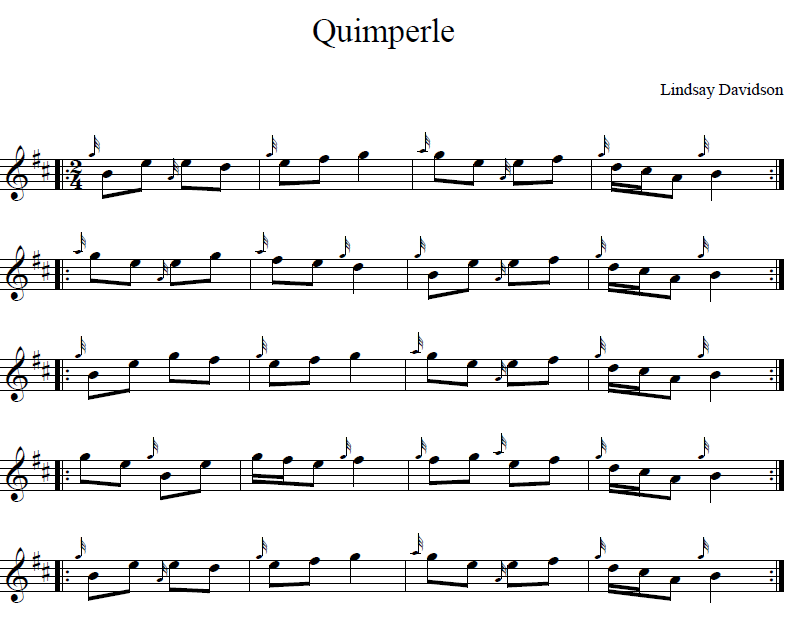
Use the how to practise instructions and go through the five steps, speeding up so that you can play along with the video.
As chanters can often sound very different and be out of tune, there are two versions - high pitch and low pitch.
Low Pitch
High Pitch
Use the how to practise instructions and go through the five steps, speeding up so that you can play along with the video.
As chanters can often sound very different and be out of tune, there are two versions - high pitch and low pitch.

Low Pitch
High Pitch
Use the how to practise instructions and go through the five steps, speeding up so that you can play along with the video.
As chanters can often sound very different and be out of tune, there are two versions - high pitch and low pitch.

Low Pitch
High Pitch
Use the how to practise instructions and go through the five steps, speeding up so that you can play along with the video.
As chanters can often sound very different and be out of tune, there are two versions - high pitch and low pitch.
Be aware that the strikes are shorter than the gracenotes (half the length).

Low Pitch
High Pitch
Use the how to practise instructions and go through the five steps, speeding up so that you can play along with the video.
As chanters can often sound very different and be out of tune, there are two versions - high pitch and low pitch.

Low Pitch
High Pitch
Use the how to practise instructions and go through the five steps, speeding up so that you can play along with the video.
As chanters can often sound very different and be out of tune, there are two versions - high pitch and low pitch.

Low Pitch
High Pitch
You may wish to celebrate your success so far with...
Your First Tunes!!!!
With these basic rudiments you are able to play your very first tunes! You can move on and learn more technique instead, or spend more time enjoying the chance to play tunes already.