Mordents, Lower mordents, Runs, Turns, Vibrato
Mordents
Mordents exist in other types of music
too. Mordents were very popular in baroque music.
A mordent is when a note is embellished by playing the starting
note and
then the note above it very quickly, returning to the starting note.
This idea can be played on any note of the scale except on High A. It
is almost never played on High G as this are a
little
uncomfortable to play.
The symbol for a mordent looks like this:
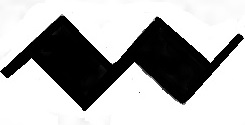
On each note it is played thus:

Lower mordents
Lower
mordents are very simple embellishments. They exist to decorate a
melody, with a secondary function to emphasise a given note.
Lower mordents exist in other types of music
too. Lower mordents were very popular in baroque music.
A lower mordent is when a note is embellished by playing the starting
note and
then the note below it very quickly, returning to the starting note.
This idea can be played on any note of the scale except on Low G. It
is almost never played on E or C as these are a
little
uncomfortable to play. Strikes would be used instead, or upper mordents.
The symbol for a lower mordent looks like this:

On each note it is played thus:

Runs
Runs are very simple embellishments.
They exist to decorate a melody, with a secondary function to give
emphasis.
Runs exist in other types of music too. Turns were
very popular in romantic music.
A
run quite simply means running through the notes of the scale very
quickly, from one note to another. Often these would be used where
throws might be used, or grips, on highland 'pipes.
Runs are
indicated by small scale passages written as gracenotes (smaller note
heads), or notated fully as tuplets (a bracket with a number indicating
the number ofnotes to be played.). Here are some examples of both:


Turns
Turns
are very simple embellishments. They exist to decorate a melody, with a
secondary function to give the impression of slowing down time. Thus,
they are very useful in slow tunes.
Turns exist in other types of music too. Turns were
very popular in classical music.
A
turn is when a note is embellished by replacing the
embellished
note with four other notes, from above and below, finishing on the note
marked to be embellished. This idea can be played on any note of the
scale except on High A and Low G.
The symbol for a turn looks like this:

An example of how it is played is here:

Vibrato
Vibrato
is very much a matter of personal taste and is not usually indicated.
Vibrato was really an invention of the Renaissance, but didn't become
universal in other musics until very late. Orchestras today are
starting to play nineteenth century music without vibrato, with a
surprisingly clear and powerful effect. Roger Norrington is a leading
conductor pursuing this line of interpretation.
Vibrato is when a
finger lower than the pitch being played is raised and lowered many
times very quickly. This gives the pitch a slight wobble, and is done to
make music more 'emotional'.
It can work equally well in slow
music as in fast.
Vibrato has another useful function.....If you
are playing with other instruments, it means your tuning can be
averaged a little as imprecisions are hidden by vibrato. This can help
you in a concert where the physical conditions can be hard to predict
and impossible to control, and as a result your tuning might do
something wild without any blame belonging to you. Vibrato might just save you...