1
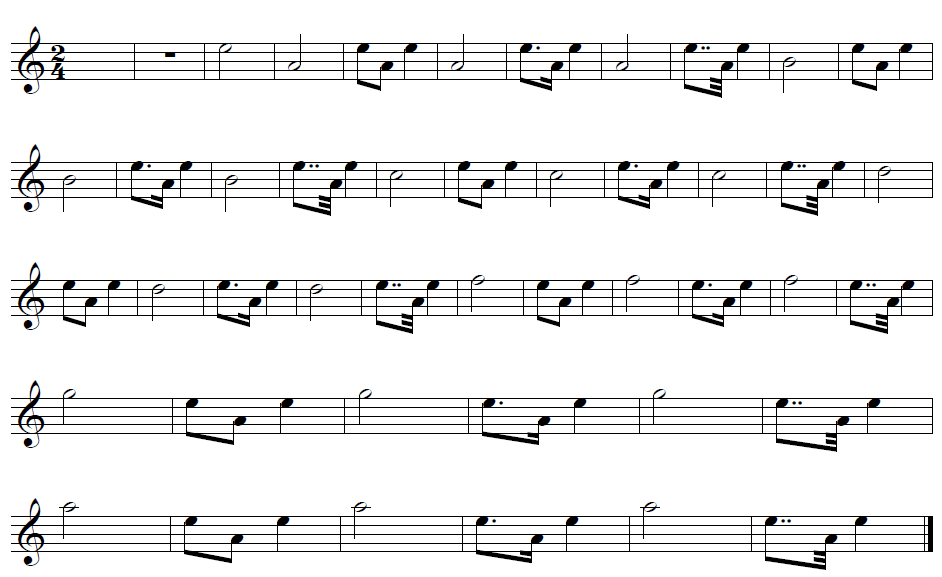
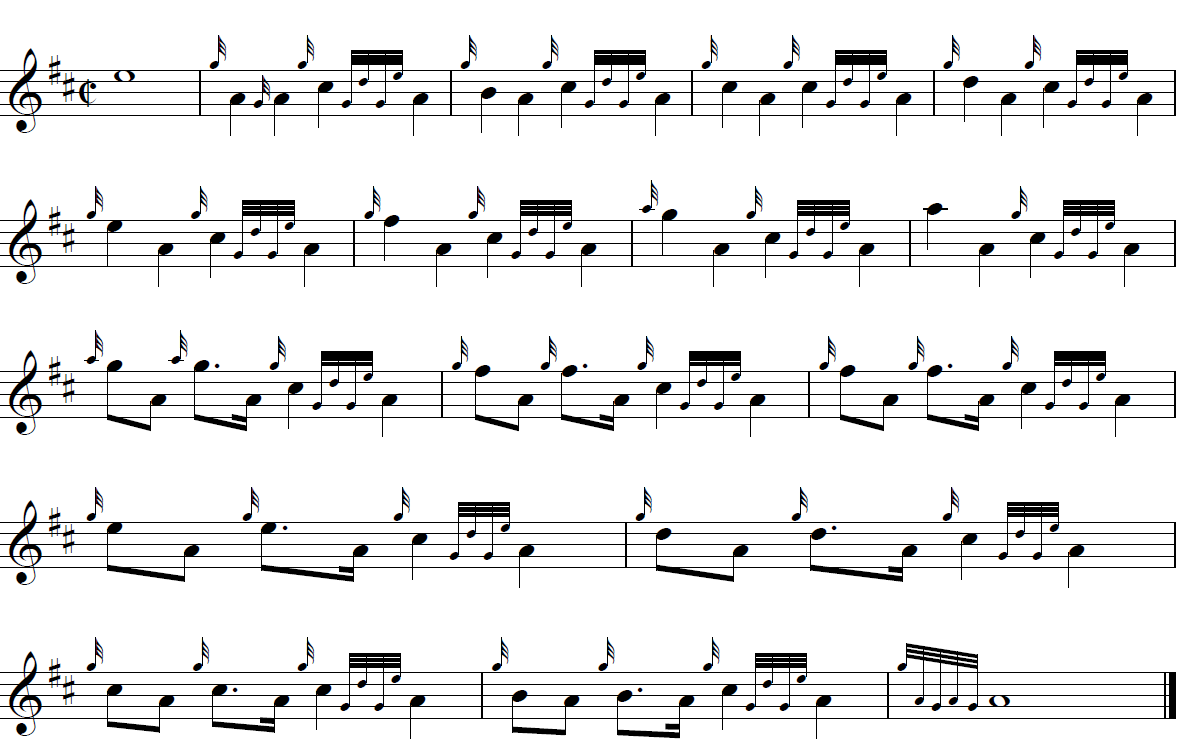
The change from a 'round', even, rhythm in bar 2 to dotted
rhythm
is very tricky. It is worth tapping this change out on the table
together with a metronome at various speeds to make sure that everyone
can keep this under control.
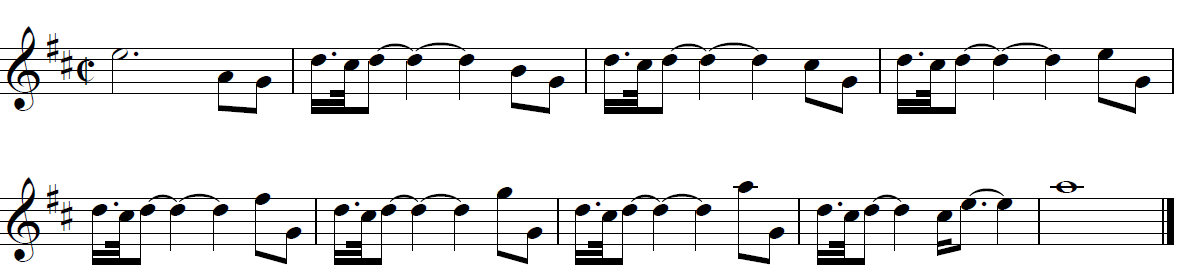
2 Taorluath bar 4 - this is
horrific to play together in the small amount of time available. It is
advisable here to shorten the marked dotted 8th note and make the beat
a triplet instead, giving the last third of it to the taorluath. This
give the impression of dotting the C but also makes it possible to play
the taorluath and indeed - hear it! Playing what is actually notated
leads to the taorlath disappearing.
3
The D gracenote in the second time through the first part is
virtually impossible to hear, but it should be played as it is in the
music.
4 The birls all have the first strike (tap or
downward action with the little finger) before the beat, coming up on
the beat thus giving the efect of a 'tachum' type rhythm on
the
low As. This could be played in various ways but this style has been
chosen for balance and steadiness of effect when playing together.
5 Last strike, last bar - this comes up on the beat, and so
must go down before the beat.
This
tune is much, much easier to understand when played very slowly. Please
try starting from slow versions to fast, instead of the other way round.
This section of the
website has tunes taken from the Royal Scottish Pipe Band Asociation
(RSPBA) prescribed tune list.
If you learn these tunes, there will be a large number of people you
can be sure to find tunes in common with.
The
RSPBA update their list from time to time and the versions here
followed their original published versions, pending updates in due
course.
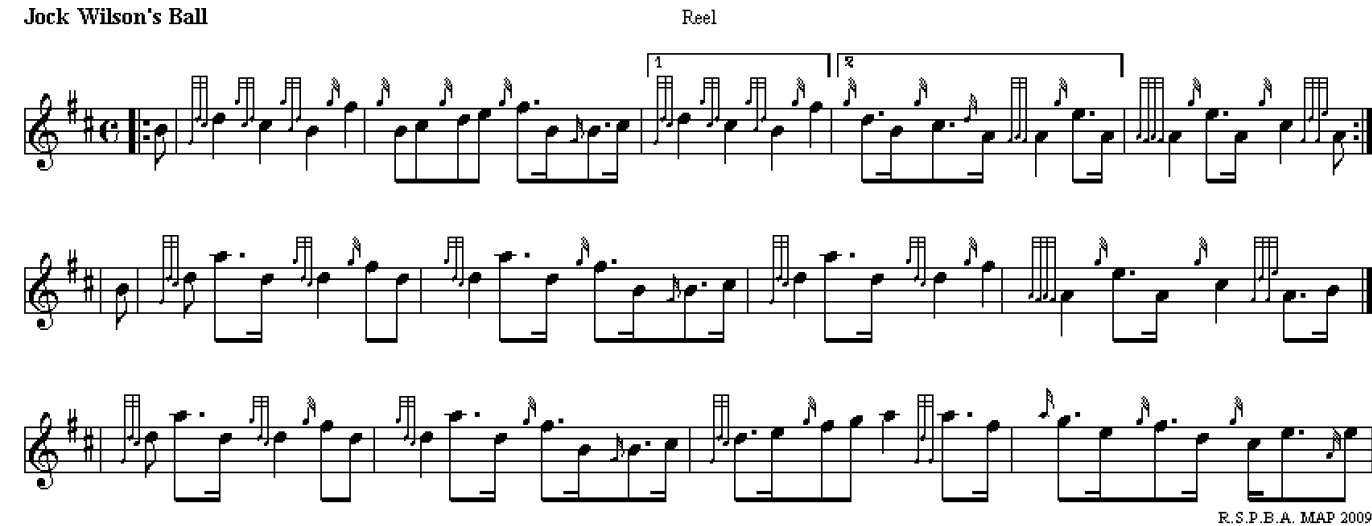
These videos show the music and you can hear midi generated
tracks where the rhythm of the gracenotes and embellishments is
maintained in proper interprative proportion. You should try to feel
the rhythm and also count it out exactly. Start with the fastest files
and as you get better, go to the slower files, as this is a true
measure of your security of technique.
Each file is given at
two pitches, A and B flat. This reflects the different practice chanter
tunings commonly found. Please scroll down to what you need (site
updated for smart phone and tablets)
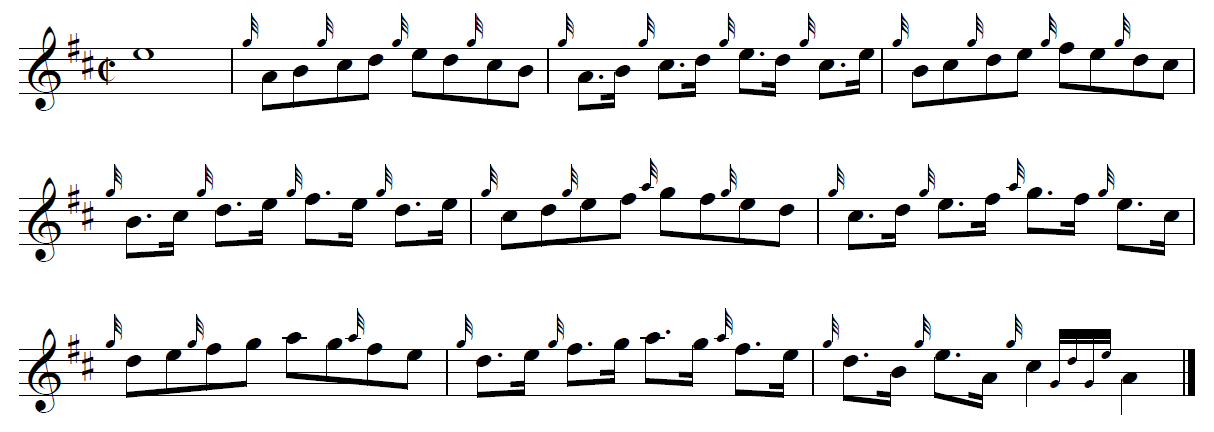
The exercises below are chosen to help with some particular trickiness
in each tune. If you click on the title you can go to a page with
videos and full instructions for each exercise.