In short, there are two actions in a birl. The heavy birl is best
described as “Tap and Across”. This means tap your little finger down
on Low ‘G’ and then pull it across the hole thus giving two strikes.
Only move you little finger, and try your best to avoid any extra
movements from other fingers (this may be difficult). Try to feel in
your arm that you are controlling your little finger with two different
muscles.
The light birl can be described as an upside down seven on the chanter
- slide your little finger down across the hole and back up
diagonally.
A birl can be preceded by a High ‘G’ gracenote or not - the music will
tell you this. Make both Low As between the strikes the same length. This movement is almost always played very quickly.
Birls look like this in the music, and there is no indication if the 'upside down 7' or 'tap and across' are better chosen (this is a musical interpretation question).
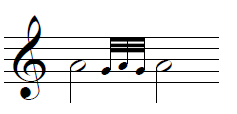
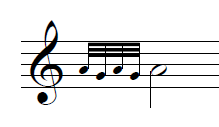
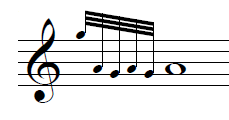
There is quite considerable variation in the execution of birls. If your teacher deviates from anything described above this does not automatically mean that something is wrong. However, these birls are used and recognised world-wide, whereas other styles may not be (yet?).
The
artistry and musicality and thrill of a birl is when you can control
and vary the rhythmical effect. This is marked in the exercises below.
For a demonstration of the upside down seven birl, please click below:

